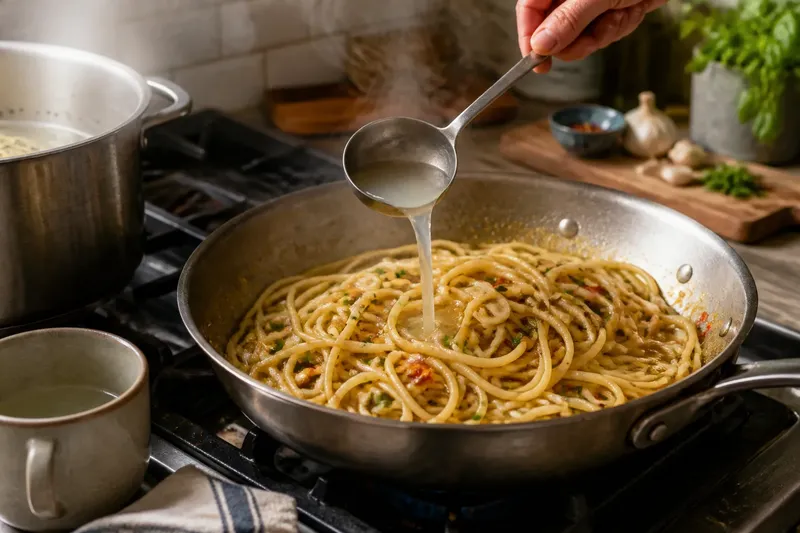
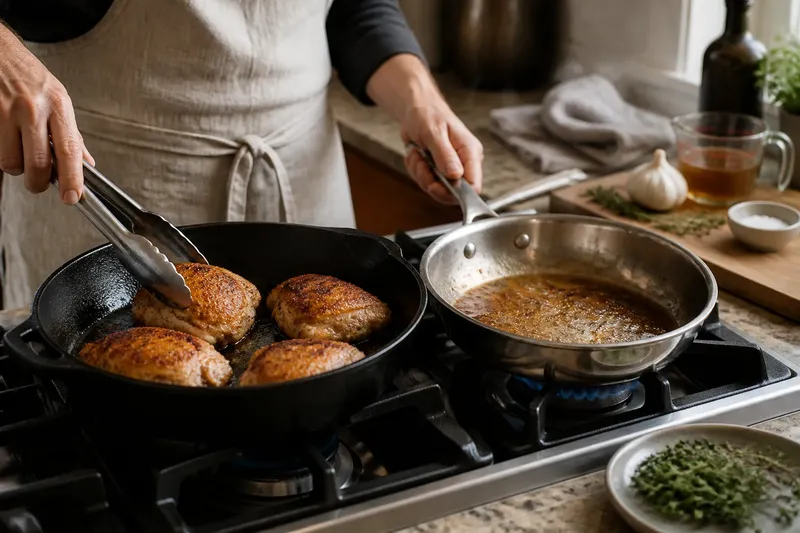
A Shared Supper When Guests Arrive at Different Times
Plan a shared supper for guests arriving at different times with clear holding, chilling, and reheating choices, so each plate feels fresh and safe.

When one guest is ready to eat and another is still on the road, a shared supper for guests arriving at different times works best when its parts can be served separately. Keep a braise, grain, salad, and sauce in distinct containers so the first group can eat while a later plate is assembled without guesswork.
Which dishes can wait between servings?
Choose foods that remain appealing when held separately, such as lentils, roasted vegetables, baked chicken thighs, or a savory tart. Delicate fried food and soufflés are less suited to staggered service because their texture depends on serving them promptly.
A practical menu might include a warm main, a sturdy starch, a room-temperature vegetable dish, and a bright sauce or herb topping. Keep the sauce and toppings apart until serving; like items in separate drawers, the components stay easier to manage and retain their distinct textures.
How should you prepare before guests arrive?
Several days ahead: Ask for an arrival window and check for allergies, dietary needs, and foods guests avoid. Choose dishes with overlapping ingredients, such as parsley for both salad and sauce, so preparation stays coordinated.
The day before: Make a dish that benefits from resting, such as bean stew or vegetable dip. Wash sturdy greens, prepare vinaigrette, and set out serving bowls. Leave delicate herbs, cut fruit, and crisp toppings until closer to serving.
The morning of the meal: Cook foods that can be cooled and reheated without losing their character. Label each container with its contents and intended serving method, and clear refrigerator space for items that must stay cold.
Before the first arrival: Set the table, portion snacks, and finish components that are meant to be served at room temperature. Keep the main chilled until it is time to reheat and serve, rather than holding it warm through an uncertain delay.
How do you manage food safety during staggered service?
Use current food-safety guidance for the specific food and setting rather than relying on a vague sense that a dish has not been out “too long.” The U.S. Department of Agriculture’s Food Safety and Inspection Service advises that perishable food should not remain at room temperature for more than two hours, or more than one hour when the air temperature is above 90°F. Keep cold food refrigerated between servings, and keep hot food hot if it must be held; check current USDA guidance for safe holding and reheating temperatures, since the right target can depend on the food.
For a home meal, the simplest approach is to put out only the amount the first group expects to eat. Keep the reserve portion covered in the refrigerator, use a clean serving utensil for each dish, and reheat the later portion according to current USDA recommendations before serving. Follow package directions and local guidance where they apply.
What should happen as guests arrive?
Offer a modest first bite that does not replace supper: olives, sliced vegetables with dip, bread, or spiced nuts. Put out a small amount and replenish as needed. This keeps the opening relaxed without leaving a large spread unattended.
When the first group is ready, serve the components already at their best. A room-temperature salad and bread can go on the table while the main reheats. Tell guests they can begin and that another plate will be served when the next person arrives.
How can you make a later plate feel freshly served?
Reserve a portion of the main and toppings before the first serving instead of leaving every dish open on the table. Store that portion safely, then assemble it when the later guest is ready. A spoonful of sauce, chopped herbs, or lemon can make the plate feel considered without restarting the meal.
Say the planned starting point is a pot of lentils, roasted carrots, parsley, and lemon, and the first guests are ready before the last guest leaves work. Set aside one covered portion of lentils and carrots before serving anyone. Refrigerate both; when the late guest arrives, reheat the lentils according to current USDA guidance, serve the carrots cold or reheat them as appropriate, and add freshly cut parsley and lemon. The result is a complete plate, while the tradeoff is that the late guest may eat a simpler, separately assembled serving rather than food straight from the shared platters.
Not every component needs reheating. Bread may be served as it is or refreshed if appropriate, while bean salad and pickled vegetables may be served cold. Use separate serving utensils so warm sauce does not end up in a crisp salad.
What do guests usually ask about serving in waves?
Should everyone wait before eating?
No. If the first guests are hungry and ready-to-eat food is available, invite them to begin. A simple explanation lets them know the later plate is planned, not a reason to delay the meal.
Which dishes are easiest to serve in waves?
Stews, braises, grains, roasted vegetables, savory pies, and sturdy salads are often easier to portion at different times than fried foods or fragile greens. Follow each recipe’s directions for cooling, storage, and reheating.
How can you keep a late plate from looking like leftovers?
Reserve its components before the first serving, plate them separately, and add a fresh finishing touch. A clean plate, a little sauce, or fresh herbs can show that the serving was set aside deliberately.
What if a guest arrives much later than expected?
Keep reserved food stored safely and offer a simple plate when the guest is ready, rather than reopening every dish. If the delay changes the plan, tell the guest what remains available and serve according to current food-safety guidance.
How can the table still feel communal?
Flexible timing need not turn supper into a queue at the counter. Put shared, ready-to-eat dishes in the center, and bring out a warm component when someone is ready for it. A late guest can join the conversation even if their plate is assembled after the first serving.
For a shared supper when guests arrive at different times, decide in advance what will be served immediately, what will stay refrigerated, and what needs reheating for a later plate. That small plan keeps the food welcoming while giving everyone a clear, safe way to eat when they are ready.